Home »
Custody & Support Considerations for Special Needs Children During Divorce on Long Island (part 1)
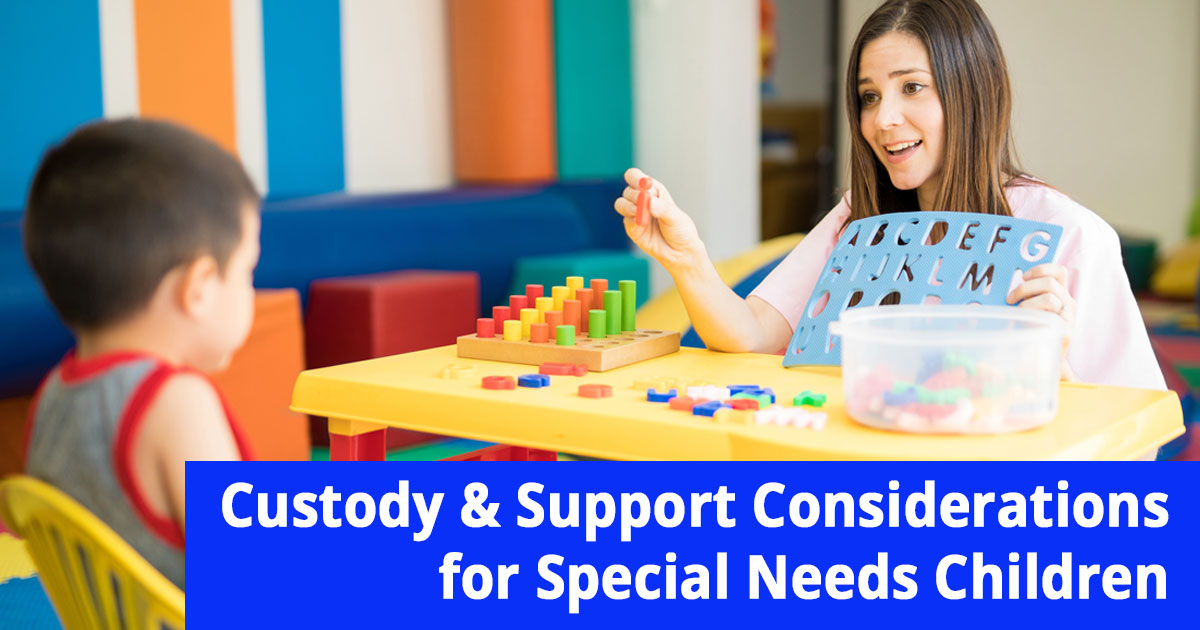
Children with autism or other special needs don’t care that your marriage is ending; they just feel the shift in their world, like when your child melts down at a custody exchange that used to be no big deal. If you’re divorcing on Long Island, NY, especially in Nassau or Suffolk, you’re not just sorting out who gets what, you’re figuring out how your child’s support, therapies, and school routine keep running smoothly. In this kind of divorce, you’re really building a long-term plan, not just signing papers.
Children with autism or other special needs do not understand legal timelines or court orders; they feel disruption in routine, tone, and safety. When parents, the process is not just about ending a marriage; it is about preserving stability, care, and long-term support for a vulnerable child.
If you are facing a special needs custody or child support case on Long Island, the divorce process must be approached as long-term planning; not a short-term transaction.
If this sounds like your situation, speak with a Long Island family law attorney that has extensive experience with special needs cases. Contact Hornberger Verbitsky, P.C. for a free confidential consultation and case evaluation. Call us at 631-923-1910 or fill out the form below to schedule your appointment.
Key Takeaways from This Article
- Kids with disabilities often need more structure, routine, and predictability, so your custody plan has to be extra detailed, especially around therapies, medical care, school schedules, and transitions between homes.
- Standard parenting schedules in Nassau and Suffolk counties sometimes just don’t fit, so you may need custom arrangements like longer but fewer transitions, specific transportation plans, or one parent handling most medical and school communication.
- Child support for a special needs child on Long Island can go beyond typical expenses, covering therapies, aides, adaptive equipment, and sometimes extended care well into adulthood if the child can’t be self-supporting.
- Long Island, NY courts can order support past age 21 in certain situations involving significant disabilities, so long-term financial planning is not just smart, it’s a big part of protecting your child for the future.
- Government benefits like SSI, Medicaid and OPWDD can be affected by how support is set up, so tools like special needs trusts are often used to keep your child financially supported without blowing up their eligibility.
- Working with professionals who actually understand special needs custody divorce on Long Island, from lawyers to financial planners to therapists, can make the process less chaotic and help you build a plan that truly fits your child, not just a cookie-cutter order.
Why Divorce Is More Complex for Special Needs Children and Families
In a typical divorce, parents divide assets and establish a custody schedule. In a special needs divorce, parents are dismantling and rebuilding a child’s entire support ecosystem—while that child still depends on it daily.
Judges in Nassau County Supreme Court and Suffolk County Supreme Court look closely at how changes in custody or support will affect therapies, schooling, medical care, and emotional regulation.
Learn more about how New York courts evaluate custody matters here: https://divorce-longisland.com/child-custody-long-island-ny/
What really turns the pressure up in a divorce involving a special needs child is that you’re not just ending a relationship, you’re dismantling the support system your child depends on every single day. In a special needs custody divorce on Long Island, every shift in parenting time, services, and routines can ripple into behavior changes, school struggles, and regressions. You’re not just dividing assets; you’re re-engineering your child’s entire world and trying to keep them stable at the same time.
Unique Challenges of Divorce with a Special Needs Child
Unlike many families, you can’t just swap weekends and hope for the best. Your child might need 24/7 supervision, rigid routines, or a specific parent for medical tasks. In divorce involving autism cases in Nassau and Suffolk, parents often juggle Individualized Education Program (IEP) meetings, therapies, and crisis calls on top of custody talks. Even deciding who drives to Applied Behavior Analysis (ABA) or who manages seizure meds can become a legal issue, not just a parenting one.
The Emotional Rollercoaster
The child’s emotions in these cases rarely stay at a normal volume. Your child may react to new custody schedules with meltdowns, self-injury, or sudden regression in speech or toileting. You might feel guilty for filing, angry at your ex, and terrified about how the judge will see your parenting. All while trying to be calm and predictable for a kid who senses every mood shift.
Parents in divorce autism cases in Nassau and Suffolk often describe this phase like living in two realities at once: in court, you’re arguing about overnights and legal custody, at home you’re soothing a child who hasn’t slept through the night in weeks because the routine changed. Maybe your teen with Attention-Deficit/Hyperactivity Disorder (ADHD) is now refusing school on your days only, and your ex uses that as evidence in a hearing. That tug-of-war between legal drama and emotional fallout can push you into burnout fast, so you start snapping at teachers, missing therapist emails, and then feel awful about it later.
Funding and Financial Strain
Money stress hits harder when your child needs more than the basics. Therapies, private aides, sensory equipment, or specialized camps can run into thousands of dollars a month, and in NY child support for special needs kids often has to factor in care that could last well past age 18. On Long Island, a single ABA program can cost more than a mortgage, so a poorly written settlement can leave one parent drowning in out-of-pocket bills.
I’ve seen parents in Long Island cases realize too late that their agreement didn’t spell out who pays for uncovered Occupational Therapy (OT), or what happens when insurance denies an autism evaluation. Suddenly, one of you is maxing out credit cards for speech therapy while the other argues it’s “optional.” In NY, you can negotiate add-ons in child support specifically for special needs, including transportation to clinics, after-school aides, respite care hours. If you gloss over that now, you might end up back in court fighting for every single therapy receipt.
If you need help creating a support settlement that will protect you and your child for the long haul, speak with an Long Island family law attorney that has extensive experience with child support in special needs cases. Contact Hornberger Verbitsky, P.C. for a free confidential consultation and case evaluation at 631-923-1910 or fill out the form below to schedule your appointment.
Custody Considerations for Special Needs Kids
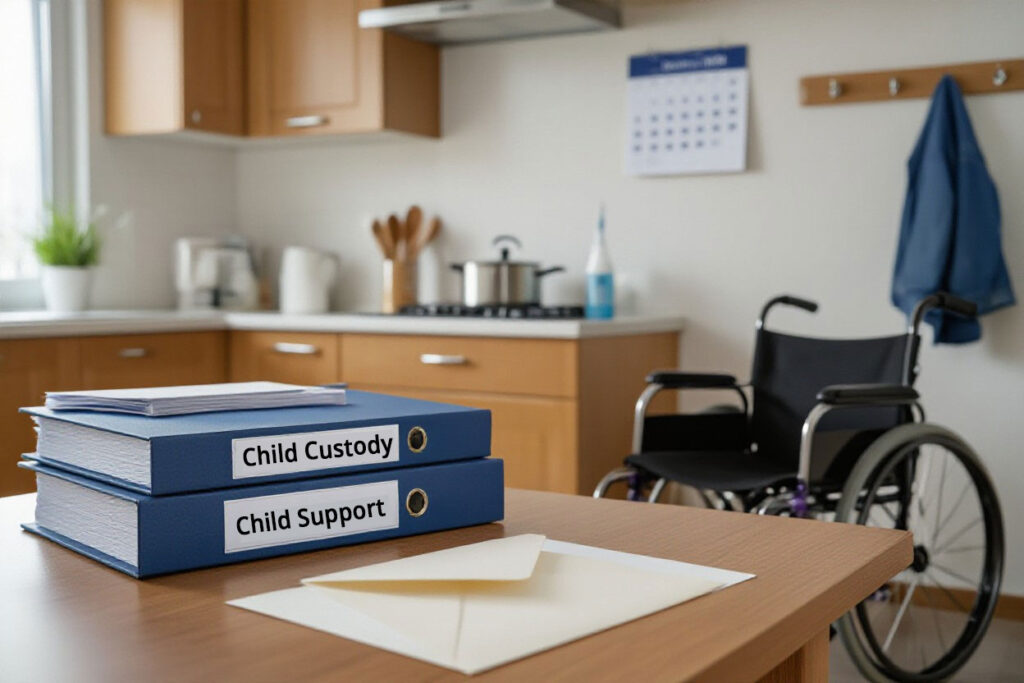
When you’re sorting out custody in a special needs custody divorce in NY, the court zeroes in on who can actually meet your child’s daily needs, not just who has more time or a bigger house. Judges in Nassau and Suffolk will dig into therapies, medication schedules, IEP meetings, even who knows how to handle a 2 a.m. meltdown or a seizure. Your parenting plan has to reflect those real-world demands, not some generic every-other-weekend schedule.
What Courts Focus On
In a special needs custody case, courts focus on:
- Which parent manages therapies and medical care
- Attendance at IEP and Committee on Special Education (CSE) meetings
- Knowledge of medications, behavior plans, and emergency protocols
- Ability to maintain consistent routines
This is not about equal time; it is about functional caregiving capacity.
What’s the Best Living Situation for the Special Needs Child?
Instead of asking who “wins” custody, you’re better off asking where your child is safest and most regulated. For some kids with autism in Nassau or Suffolk, that might mean one primary home with short, predictable visits to the other parent. For others, especially teens with strong routines in both homes, a 60/40 or 70/30 split can actually lower the child’s anxiety. The best setup is the one that protects medical care, school support systems and your child’s nervous system.
Customized Parenting Time Schedules
Many Long Island families benefit from:
- Fewer transitions with longer parenting blocks
- One primary residence with structured visitation
- Therapy-centered schedules written directly into the parenting plan
Generic schedules often fail children with sensory, behavioral, or medical needs.
How to Balance Care Needs with Parenting Time
When one of you handles 80% of the therapies, appointments and night wakings, a perfectly equal schedule can backfire. You’re trying to balance fairness to both parents with what your child can realistically tolerate without regressions or behavior spikes. That often means creative solutions like longer but fewer visits, or having the more experienced parent train the other in feeding, toileting or behavior plans before overnight time ramps up.
So if you’re going through a divorce and have a child with special needs in Nassau or Suffolk, think of parenting time like building a new routine, not ripping the old one apart overnight. You might start with 3-hour visits, move to daytime weekends, then add one overnight once your child handles transitions without major blowups. Some families on Long Island even write therapy days right into the schedule so whoever has the child handles OT on Tuesdays, ABA on Thursdays, speech on Saturdays. Put in writing who drives, who pays, how you’ll handle cancellations, and what happens if a meltdown makes a visit unsafe that day. Having that spelled out upfront can save you from constant fighting later.
If you need help creating a custody plan that best meets your child’s special needs, speak with an Long Island family law attorney that has extensive experience with custody cases for special needs children. Contact Hornberger Verbitsky, P.C. for a free confidential consultation and case evaluation Call us at 631-923-1910 or fill out the form below to schedule your appointment.

The Role of Communication in Co-Parenting
In special needs custody divorce cases in New York, communication isn’t a nice-to-have, it’s the thing that keeps your kid from falling through the cracks. You’re swapping info on meds, school behavior charts, sleep logs, new triggers, progress in therapy, etc. Many Long Island families use shared parenting apps, a communication notebook that travels with the child, or even weekly 10-minute calls just to stay on the same page.
Because your child’s needs can change fast, especially with new diagnoses or puberty, you can’t just set a plan and walk away for 10 years. You’ll want a system where you both get school emails, both see IEPs, and both have access to doctors and therapists. Some parents agree that all big decisions, like changing meds or switching from ABA to another program, get discussed in writing first, so there’s a paper trail and less “he said, she said.” Short, factual messages work best: “He didn’t sleep last night, used inhaler at 2 a.m., had one aggression at school, ABA updated behavior plan – see attached.”
Child Support: Is It Enough for Extra Expenses?
In New York state, the Child Support Standards Act (CSSA) was never really built with weekly ABA sessions, out-of-network neurologists, or a $4,000 communication device in mind. When you’re dealing with autism services in Nassau or Suffolk, basic guideline support almost always falls short. So you start asking bigger questions like who pays for the aide on school trips, or the sensory gym, or the extra summer program that actually works? Your agreement has to spell this out, or you’ll be fighting about “extras” every single year.
Understanding the Cost of Care
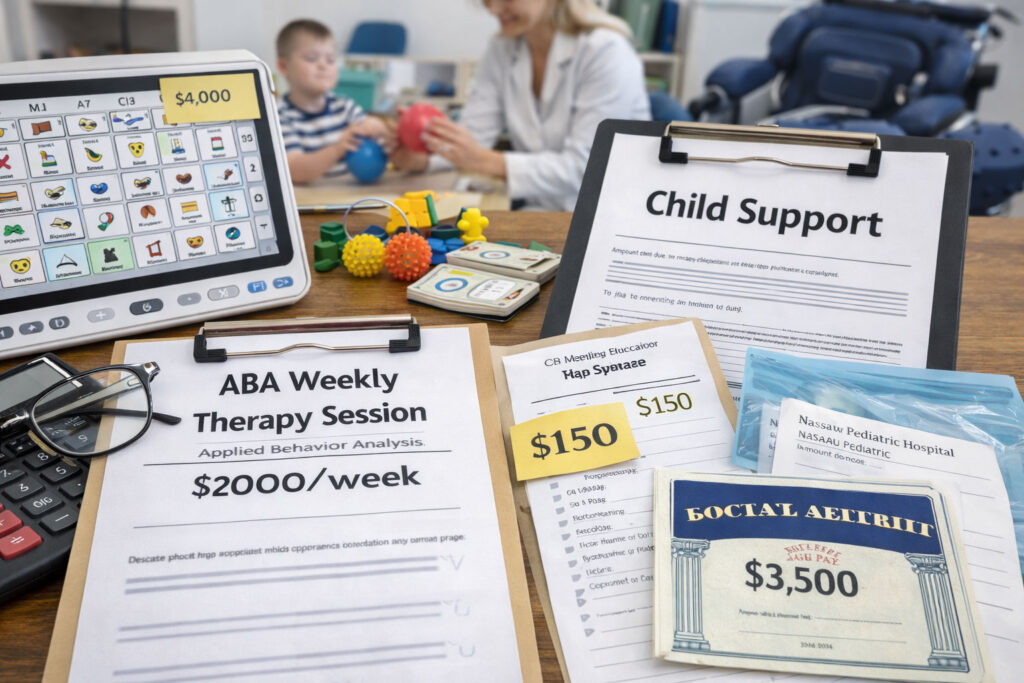
Families on Long Island regularly spend $10,000 to $30,000 a year out-of-pocket for therapies that aren’t fully covered. You might be juggling ABA, OT, Physical Therapy (PT), speech, social skills groups, plus higher transportation and childcare costs. And if your child needs 1:1 support or a private evaluator, on Long Island, NY a single report can run $3,000 easily. When you map it all out, you see fast that “basic support” doesn’t touch the real financial picture.
Child Support for Special Needs Children on Long Island
New York’s Child Support Standards Act was not designed to account for:
- Weekly ABA therapy
- Out-of-network specialists
- Adaptive equipment
- Extended care into adulthood
As a result, guideline support is frequently insufficient.
Courts may order:
- Upward deviations from guideline support
- Direct payment of therapy and medical expenses
- Extended child support past age 21
Adjusting Support Payments for Special Needs Children
New York courts can deviate from standard child support guidelines when a child has special needs, but they won’t do it automatically. You usually need to show specific numbers, like $200 a week for ABA, $150 a month in extra co-pays, $3,500 a year in equipment. On Long Island, judges see a lot of divorce cases involving autism and other special needs, so if you come in with detailed proof, you have a real shot at getting higher or more tailored support.
In practice, you might negotiate a hybrid setup: guideline support plus direct payment for key services like ABA or a special social skills program. One parent might agree to cover all un-reimbursed medical and therapy costs up to a certain cap, then split anything above that 50/50. Sometimes we even lock in a specific share for big-ticket items, like both of you paying 60/40 for residential respite or a specialized summer camp in Nassau or Suffolk County. And you want a clear review clause too, so when needs change at 14 or 18, you’re not starting from scratch.
Uncovering Hidden Costs of Special Needs Care
Some of the priciest parts of raising a special needs child never show up on a typical support worksheet. Extra wear and tear on your car from medical trips, lost work hours, home modifications, even higher utility bills from equipment running all night. If you’re in Suffolk County driving to Manhattan for specialists twice a month, gas, tolls, and parking alone can hit a few hundred dollars a month and nobody accounts for it unless you push for it.
One Long Island family I worked with only realized the true cost after tracking every autism-related expense for 3 months (parking at hospitals, babysitters for siblings during evaluations, extra iPads after a few “accidents)”. Those are the things that quietly blow up your budget. When you’re negotiating support, you want these on paper: transportation to therapies, respite care, adaptive tech replacements, even extra cleaning help if medical needs require it. The more clearly you name and quantify these “hidden” items, the harder it is for them to be brushed off as optional.
Learn more about child support modifications and deviations here: https://divorce-longisland.com/child-support-long-island-ny/
If you need help creating a support settlement that will protect you and your child for the long haul, speak with an Long Island family law attorney with extensive experience creating support settlements that consider the unique expenses of caring for a special needs child. Contact Hornberger Verbitsky, P.C. for a free confidential consultation and case evaluation at 631-923-1910 or fill out the form below to schedule your appointment.
The Importance of Long-Term Planning
Over 80% of parents of children with disabilities say they worry about what happens when they’re gone, and in a divorce that worry has very real legal and financial layers. You’re not just sorting custody and child support for right now, you’re mapping out housing, medical care, therapies, and schooling 10, 20, even 30 years ahead. Long-term planning lets you lock in who does what, how it’s funded, and what happens if one parent can’t follow through.
Planning for Transitioning to Adulthood
At 18, your child becomes a legal adult in New York, even if they still can’t safely manage money, medical decisions, or transportation. You’re planning for how high school IEP services roll into Office for People With Developmental Disabilities (OPWDD) supports, Supplemental Security Income (SSI), job coaching, or day programs, not just where your child sleeps. In Nassau and Suffolk, you’ll want your custody and support agreement to connect cleanly with adult services so your child doesn’t fall off a cliff the day they age out.
Why Guardianship Can Be a Big Deal
Once your child hits 18, doctors, schools, and agencies look to them, not you, for decisions, and that’s where guardianship in New York suddenly becomes a very big deal. You and your ex have to decide if full guardianship, limited guardianship, or supported decision-making is the right fit. The choice affects medical consent, money management, housing, and even who can sign group home paperwork.
In real life, this plays out fast: in one case, a Nassau County parent of a young adult with autism couldn’t access his son’s medical records after 18, because there was no guardianship or power of attorney in place, and it stalled treatment for months. You don’t want to be scrambling like that in crisis mode, especially after a divorce when communication may already be rocky. You and your lawyer should talk about whether you and your co-parent will be co-guardians, what happens if you disagree, and how guardianship lines up with your existing custody order and special needs trust. Getting that structure in writing early can save you court trips and a ton of stress later.
If you need help creating a guardianship agreement or special needs trust, speak with an experienced Long Island family law attorney at Hornberger Verbitsky, P.C. for a free confidential consultation and case evaluation. Call us at 631-923-1910 or fill out the form below to schedule your appointment.
Benefits and Resources to Consider
Right now, a lot of Long Island families are piecing together SSI, Medicaid, OPWDD services, and private insurance just to cover one child’s needs, and divorce can easily shake that whole puzzle. You’ll want your agreement to protect eligibility for means-tested benefits while still capturing higher child support for special needs children. That usually means talking about Achieving a Better Life Experience (ABLE) accounts, special needs trusts, and which parent is handling applications and annual renewals.
For example, a Suffolk County family with a child on the spectrum used a third-party special needs trust so Dad could pay extra support without knocking the child off SSI and Medicaid, and that let them keep OPWDD-funded respite and vocational services intact. You might be looking at things like NYS OPWDD family reimbursement, Medicaid waivers, transportation stipends, or housing waitlists with 10-year timelines, so it’s not just “nice to have” planning, it’s survival planning. Make sure your lawyer actually understands how child support, trust funding, and government benefits all interact, or you risk accidentally cutting your child off from thousands of dollars in services every single year.
Protecting Government Benefits and Long-Term Care
Improperly structured support can unintentionally disqualify a child from:
- Supplemental Security Income (SSI)
- Medicaid
- OPWDD services
In many cases, parents use special needs trusts or ABLE accounts to preserve eligibility while still providing financial support.
This type of planning must be coordinated with your divorce settlement.
If you need help creating a divorce settlement to include a special needs trust or ABLE account, speak with an Long Island family law attorney with extensive experience in creating divorce settlements that include these special needs trusts. Contact Hornberger Verbitsky, P.C. for a free confidential consultation and case evaluation Call us at 631-923-1910 or fill out the form below to schedule your appointment.
Your Advocacy Can Protect Your Special Needs Child
Conclusively, when you step back from the court dates and case law, what really sticks is that your child still needs you both showing up, just in a different structure now, and that can actually work. You’re not just juggling schedules, you’re shaping a long-term plan that fits your child’s unique rhythm, whether you’re in Nassau, Suffolk, or anywhere else on Long Island, NY.
So you lean on the law for support, not as a script you’re forced to follow, and you push for custody and child support arrangements built around your child’s therapies, school, and future care. In the end, your steady advocacy, your willingness to speak up, and your deep knowledge of your child is what drives the outcome that really matters.
For more information, read How To Enforce Court Orders & Protect Property After Divorce on Long Island, NY
Why Work With Hornberger Verbitsky, P.C.
Hornberger Verbitsky, P.C. has extensive experience handling complex divorce and custody cases involving children with special needs throughout Nassau and Suffolk counties.
We understand:
- Autism-related custody challenges
- Extended child support planning
- Special needs trusts and benefit protection
- Local court expectations and judges
Your child’s future deserves more than a cookie-cutter agreement.
Schedule a Free Confidential Consultation and Case Evaluation
Call 631-923-1910 to request a free confidential consultation and case evaluation with an experienced Long Island divorce and family law attorney.
Navigating a Special Needs Divorce on Long Island? We Can Help
A special needs divorce is not about winning; it is about protecting a child who depends on stability, structure, and informed advocacy.
With the right legal strategy, professional guidance, and long-term planning, families across Long Island successfully build custody and support plans that truly work.
If you are navigating a special needs divorce on Long Island, do not do it alone.
Call Hornberger Verbitsky, P.C. today at 631-923-1910 to protect your child’s future.
GET YOUR FREE CONSULTATION TODAY
Call 631-923-1910 or fill in the form below
Get your complimentary consultation and case evaluation with our experienced attorneys today.
Your attorney will describe the many options available and determine together which is the right solution for you. By the end of this conversation, we’ll all understand how we can best help you to move forward.
No Cost or Obligation
There is no cost or obligation for this initial consultation. It is simply an opportunity for us to get to know each other, answer your questions and learn if Hornberger Verbitsky, P.C. is right the right law firm for you. Give us a call at 631-923-1910 or fill in the short form below for your free consultation and case evaluation.


About the Author
Robert E. Hornberger, Esq., Founding Partner, Hornberger Verbitsky, P.C.
- Over 20 years practicing matrimonial law
- Over 1,000 cases successfully resolved
- Founder and Partner of Hornberger Verbitsky, P.C.
- Experienced and compassionate Long Island Divorce Attorney, Family Law Attorney, and Divorce Mediator
- Licensed to practice law in the State of New York
- New York State Bar Association member
- Nassau County Bar Association member
- Suffolk County Bar Association member
- “Super Lawyer” Metro Rising Star
- Nominated Best of Long Island Divorce Attorney four consecutive years
- Alternative Dispute Resolution Committee Contributor
- Collaborative Law Association of New York – Former Director
- Martindale Hubbell Distinguished Designation
- America’s Most Honored Professionals – Top 5%
- Lead Counsel Rated – Divorce Law
- American Institute of Family Law Attorneys 10 Best
- International Academy of Collaborative Professionals
- Graduate of Hofstra University School of Law
- Double Bachelor’s degrees in Philosophy, Politics & Law and History from SUNY Binghamton University
- Full Robert E. Hornberger, Esq. Bio

Frequently Asked Questions About Special Needs Children and Divorce
Do I need a lawyer experienced with special needs divorce cases?
Divorce involving a special needs child can have unique child support and child custody implications, so it is strongly recommended that you seek a divorce attorney with extensive experience in these areas. These cases involve overlapping family law, education law, and disability benefits.
Can custody schedules be different for special needs children?
Absolutely. Courts regularly approve non-traditional schedules when standard arrangements could harm a child’s stability and well-being.
What happens if parents disagree on medical or educational decisions?
When parents disagree on medical or educational decisions for their special needs child, Judges may assign one parent final decision-making authority in specific areas or appoint a Guardian ad Litem.
Who pays for therapies like ABA, OT, or speech for special needs children in the event of divorce?
Courts can order shared or proportional payment of uncovered therapy costs in addition to basic child support.
Can child support continue past age 21 for a disabled or special needs child in New York?
Yes. New York courts may order extended support when a child is unable to be self-supporting due to a disability.
Can mediation work in special needs custody cases?
Yes, when parents cant agree on how to care for their special needs child, mediation is often effective when facilitated by professionals familiar with autism, disability law, and Long Island courts.
How does divorce affect SSI or Medicaid eligibility?
Improperly structured support can disqualify a child. Special needs trusts are often used to avoid this outcome.
“Going through a divorce is never easy, but Hornberger Verbitsky made the process smooth, respectful, and solution-focused. I worked closely with attorney Anne Marie Lanni, who was outstanding in every way. She resolved conflicts with professionalism, communicated clearly and effectively, and authored an agreement that was thoughtful and fair. Her attention to detail and calm, competent approach gave me real peace of mind.
Lead attorney Rob was also fantastic—personable, friendly, and genuinely supportive throughout. He made a tough process feel manageable and always took time to check in and make sure I felt heard and supported.
The team’s commitment to a problem-solving approach, their impressive professional network, and even their supportive nature and community values really set them apart. I felt like more than just a case—I felt cared for and well-represented.
Highly recommend Hornberger Verbitsky if you want trusted guidance and a team that gets results with integrity and compassion.”