Divorce Lawyer Blog, Long Island, NY

Top 10 Tips for Surviving a Bitter Divorce on Long Island, NY
Preparing for a Contentious Divorce on Long Island A contentious divorce can be one of the most traumatic and life-altering experiences a person can endure. In addition to the loss of a cherished relationship, people going through a divorce face the potential loss...

What Can & Can’t Be In a Long Island Prenup?
Although getting married is an exciting and romantic time for a Long Island couple, there are a few things that need to be in order first -- and we're not talking about the wedding decorations. A prenuptial agreement is an important document that addresses the...

Who Gets Custody of the Pets in Your Long Island Divorce?
When we started our Long Island Divorce and Family Law practice years ago, the question of which spouse kept the beloved dog or house cat was rarely, if ever, raised in divorce proceedings on Long Island. However, in today’s society, many people treat their pets as...

Is the Internet Destroying Your Marriage on Long Island?
Can the Internet & Technology Cause the Breakdown of Your Marriage? ”The grass is always greener on the other side of the fence” is a phrase most Long Islanders have heard, and at times even understood. For our purposes, the “grass” is the temptation outside of...

How to Successfully Reduce your Child Support Payment on Long Island
As a Long Island Divorce and Family Law Attorney, I constantly meet with prospective clients seeking to reduce their child support payment. Just this week, my law firm successfully defended two separate petitions brought by fathers seeking to reduce their child...

How To Communicate with Spouse During Long Island Divorce
Many Long Island couples dealing with divorce or family law matters find that, even once they reach an agreement regarding the custody and parenting time of their children, they are still faced with difficulties in effectuating that agreement. We have...

How Will the New Tax Laws Affect my Long Island Divorce?
The Tax Cuts and Jobs Act has many implications for your Long Island divorce, as it pertains to Spousal Support (aka Alimony) and the Child Tax Credit. The new tax rules may mean you want to speed up your divorce to have it settled before the end of the...

Importance of Client Narrative for Your Long Island Divorce Attorney
Why the Client Narrative is So Important One of the key pieces of information your Long Island divorce attorney will need to best represent you in your divorce is known as a “Client Narrative”. Your help in providing a descriptive story of your family will prove to be...

What is a Statement of Net Worth in Long Island Divorce?
One of the most important documents your divorce attorney will request from you and your spouse in the preparation of your Long Island divorce is known as a Statement of Net Worth (SNW). While this is a detailed document that can seem intimidating at first, it is...

Spousal Maintenance, aka Alimony, Variations on Long Island
Spousal Maintenance, otherwise or formerly known as Alimony, plays a significant part in a majority of Divorce Proceedings handled on Long Island. Spousal maintenance is a creature of statute, and, as such is typically determined by following a formula. However, in...
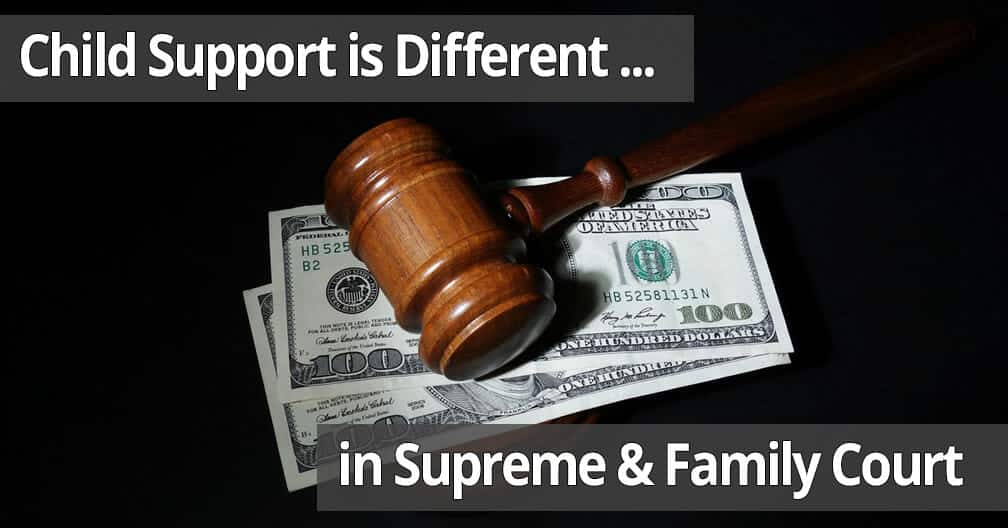
What’s the Difference Between Getting Child Support in Family Court or Supreme Court on Long Island
After many years working with countless Long Island parents on the issue of Child Support, I’ve seen the same dilemma many times over. The parents are in the middle of their divorce, or, are contemplating beginning their divorce and the residential parent is not...
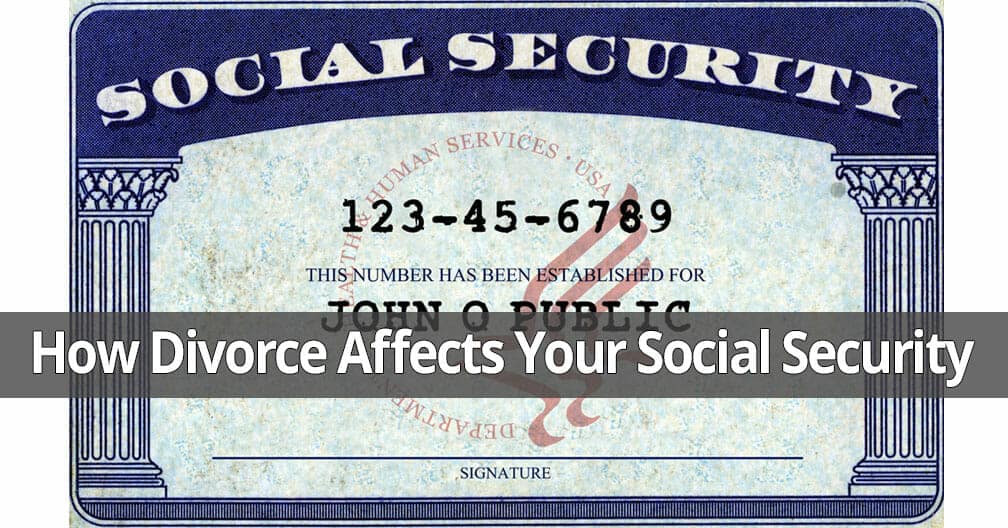
How Your Long Island Divorce Can Affect Your Social Security
For many Long Islanders, retirement benefits weigh heavily on their mind when going through a divorce. Long Island is an expensive place to live when you are in a two-income household, and the thought of attempting to afford it on your own after retirement can be...
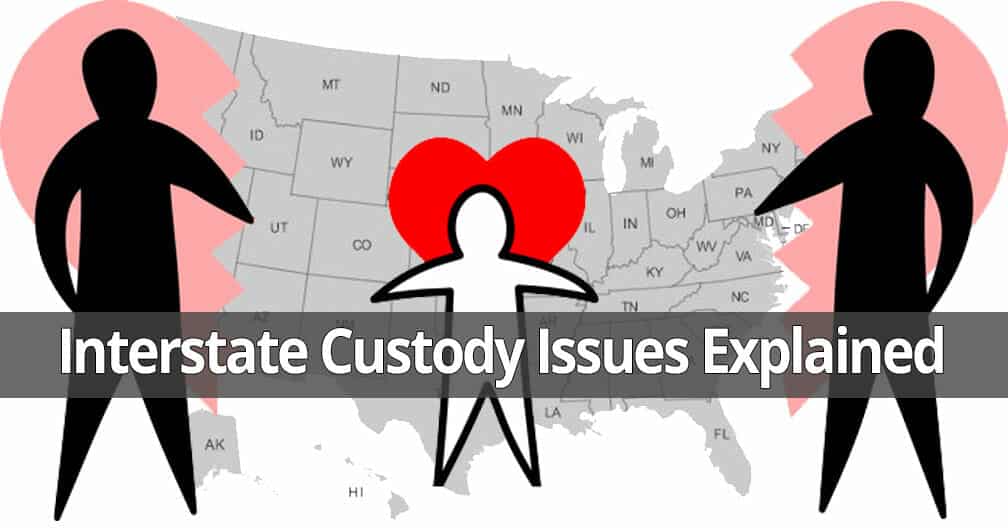
Child Custody Issues When 1 Parent Lives Off Long Island
The reality of increased mobility finds many divorced families spread across multiple states, so it is not uncommon to have one parent living on Long Island, while another lives outside New York. Whether the parents are within the tristate area, or across the country,...

Equitable Distribution is Not Equal Distribution in Long Island Divorce
For many clients getting a divorce on Long Island, one of the most important issues is the division of property. It’s important to recognize that in New York, property is divided equitably, not equally. Although the words sound similar, they can lead to incredibly...
4 Tips to Improve Communication to Save Time & Money in Your Long Island Divorce
Divorce often becomes overwhelming quickly. People going through a divorce on Long Island are dealing with financial, legal and personal decisions that seem to never end. Naturally, this is a very emotional time for everyone involved, which inevitably leads to...

Alternative Dispute Resolution Can Save Time, Money & Stress in Long Island Divorce
When most people on Long Island consider divorce, they often think of the worst case scenarios they’ve heard about: A long, drawn out process that costs each side tens of thousands of dollars. Fighting with their spouse throughout the divorce process. Having a...

GET YOUR FREE CONSULTATION TODAY Call 631-923-1910 or fill in the form below

Horberger Verbitsky, P.C. partners Robert E. Hornberger, Esq. and Christine M. Verbitsky, Esq.
At your consultation, we will:
- Conduct a Comprehensive Review of your particular situation
- Provide a Full Explanation of the Legal Issues involved in your matter
- Discuss your Goals and Objectives
- Develop a Strategic Plan to Achieve your Goals
- Answer All of Your Questions & Concerns
- Provide Advice on collecting Key Documentation and Evidence to gather to achieve your desired outcome
Your attorney will describe the many options available to determine together the right solution for you. By the end of this conversation, we’ll all understand how we can best help you to move forward.
No Cost or Obligation
There is no cost or obligation for this initial consultation. It is simply an opportunity for us to get to know each other, answer your questions and learn if Hornberger Verbitsky, P.C. is right the right law firm for you. Give us a call at 631-923-1910 or fill in the short form below for your free consultation and case evaluation. All Fields Are Required